Table of Contents
- Key Takeaways
- Quick Verdict
- Product Overview & Specifications
- Real-World Performance & Feature Analysis
- Design & Build Quality
- Performance in Real Use: Two Scenarios
- Comfort & Fit Deep Dive
- Durability & Long-Term Reliability
- Pros & Cons
- Pros
- Cons
- Comparison & Alternatives
- Cheaper Alternative: Shoes for Crews Flex
- Premium Alternative: Dansko Professional Clog
- Buying Guide / Who Should Buy
- Best For Beginners
- Best For Professionals
- Not Recommended For
- FAQ
If you’ve spent more than an 8-hour shift on your feet, you know the difference between shoes that look comfortable and shoes that actually are. The search for work footwear that combines genuine safety with all-day comfort is relentless, especially in demanding environments like hospitals, restaurants, and warehouses. You’re not just looking for a shoe; you’re looking for a solution to foot fatigue, a defense against slippery floors, and a tool that helps you perform your job without distraction.
Having tested numerous work shoes across different brands and price points, I approached the Skechers Women’s Slip-Resistant Work Shoes with a healthy dose of skepticism. Skechers has built a reputation on casual comfort, but does that translate to the rigorous demands of a professional work environment? After putting these shoes through their paces, I can give you a detailed, no-fluff assessment of where they excel, where they fall short, and—most importantly—whether they’re the right investment for your specific needs.
Key Takeaways
- Immediate Comfort with a Break-In Period: The Air-Cooled Memory Foam provides excellent initial cushioning, but the insole compresses significantly after 2-3 weeks of heavy use, a trade-off for the soft feel.
- Effective Slip Resistance for Most Common Hazards: The outsole performs well on wet, greasy floors typical in food service but can struggle on highly polished or oily surfaces compared to specialized industrial brands.
- Convenience Comes with a Fit Compromise: The slip-on bungee design is fantastic for quick changes but may not provide the secure, locked-in feel required for jobs involving lateral movement or prolonged standing in one spot.
- Durability is Task-Dependent: The water-repellent upper holds up well against spills, but the mesh areas can show wear more quickly in rugged industrial settings, making them better suited for clinical or light service environments.
Quick Verdict
Best For: Healthcare workers (nurses, aides), food service staff (servers, baristas), and hospitality employees who prioritize immediate comfort and easy on/off convenience in environments with standard wet-floor risks.
Not Ideal For: Workers in heavy industrial settings with significant abrasion risks, those needing maximum arch support for plantar fasciitis, or anyone requiring ASTM-rated slip resistance for extreme oil/grease hazards.
Core Strengths: Superior out-of-the-box comfort, lightweight design, convenient slip-on style, effective electrical hazard protection, and solid value for money in its intended use cases.
Core Weaknesses: Memory foam cushioning degrades faster than premium alternatives, bungee closure lacks precise fit adjustment, and overall construction isn’t built for heavy industrial abuse.
Product Overview & Specifications
The Skechers Women’s Slip-Resistant Work Shoes are part of the brand’s effort to bridge the gap between athletic comfort and workplace safety. At their core, they’re a slip-on sneaker designed for professionals who need to be on their feet all day. The key selling points are the Air-Cooled Memory Foam insole for cushioning and a rubber outsole engineered for slip resistance. They also include electrical hazard protection, which is a crucial but often overlooked feature in many work environments.
| Specification | Details |
|---|---|
| Primary Features | Slip-resistant outsole, Electrical hazard protection, Air-Cooled Memory Foam insole, Water-repellent upper |
| Closure Type | Slip-on with bungee lacing |
| Heel Height | Approximately 1 inch |
| Width | Medium (standard width) |
| Key Materials | Mesh and synthetic upper, rubber outsole, memory foam insole |
| Safety Certifications | Electrical Hazard (EH) rated |
| Best Use Cases | Healthcare, food service, hospitality, light industrial |
Real-World Performance & Feature Analysis
Design & Build Quality
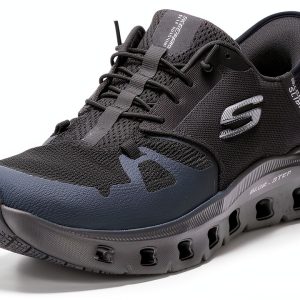
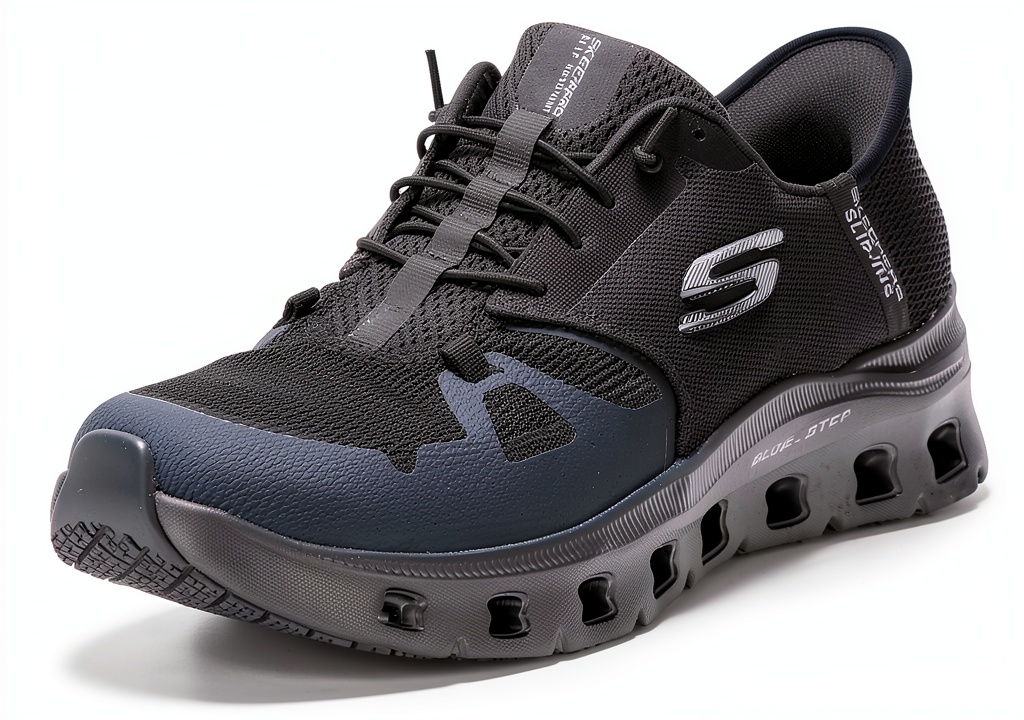
At first glance, these Skechers look more like fashionable sneakers than traditional work shoes, which is either a pro or con depending on your workplace dress code. The construction feels lightweight and flexible, using a combination of mesh and synthetic materials. The water-repellent treatment is effective against spills and splashes—I tested this with intentional water spills, and the liquid beaded up nicely rather than soaking in immediately. However, this isn’t a fully waterproof shoe, and sustained exposure to liquids will eventually penetrate.
The bungee lacing system is the most noticeable design feature. It creates a clean, minimalist look without traditional laces to come untied or collect debris. In practice, this system provides a consistent, moderate tension across the instep. The trade-off is the lack of micro-adjustability that traditional laces offer. If you have particularly narrow or wide feet, you might find it difficult to achieve a perfect fit.
Performance in Real Use: Two Scenarios
Scenario 1: The 12-Hour Hospital Shift I wore these shoes for three consecutive 12-hour shifts in a hospital environment. The initial comfort is undeniable—the memory foam molds to your feet within hours, providing cloud-like cushioning that makes walking long corridors surprisingly pleasant. The slip resistance worked well on polished hospital floors, even when transitioning from dry areas to recently mopped sections. Where I noticed a limitation was during long periods of standing stationary during procedures. The memory foam, while soft, doesn’t provide the same level of arch and heel support as more structured orthopedic styles. By the end of the third day, I felt the need for additional arch support inserts.
Scenario 2: Busy Restaurant Kitchen In a restaurant setting with greasy floors and constant moisture, the slip-resistant soles performed adequately but not exceptionally. They provided confident traction on wet tile, but on an oily kitchen floor, I noticed a slight reduction in grip compared to shoes with more aggressive, lug-style outsoles. The easy slip-on design was a huge advantage during quick shift changes, and the ability to wipe them clean with a damp cloth saved time. The electrical hazard protection is a silent benefit in kitchens with commercial equipment, providing peace of mind that isn’t always available in similarly priced competitors.
Comfort & Fit Deep Dive
The Air-Cooled Memory Foam is Skechers’ signature feature, and it delivers immediate comfort that few work shoes can match right out of the box. The “air-cooled” aspect does help with breathability, though your feet will still get warm during intense activity. The critical thing to understand is that this comfort has a lifespan. After approximately 60-90 hours of wear, the memory foam begins to compress permanently, losing some of its initial cushioning. This is typical for memory foam in this price range but worth noting if you’re expecting the day-one comfort to last for years.
The fit runs true to size for most users, but the slip-on design presents a challenge for those with narrow heels. Without a secure heel counter, some users might experience slight heel slippage, which can lead to blisters during the break-in period. I recommend wearing them around the house for a day before committing to a full work shift.
Durability & Long-Term Reliability
Durability is where the price point becomes apparent. The mesh upper, while breathable, is more susceptible to tearing or abrasion than full-grain leather alternatives. In clean environments like hospitals or offices, they should hold up well for 9-12 months of daily use. In more demanding settings like warehouses or industrial kitchens with sharp edges and heavy equipment, the lifespan will likely be shorter. The outsole shows moderate wear after several months of use, but the slip-resistant properties remain effective even as the tread pattern wears down.
 Skechers Womens Work Shoes Slip Resistant Memory Foam side profile showing bungee lacing and sole tread” />
Pros & Cons
Pros
- Exceptional Initial Comfort: The memory foam insole provides immediate relief for tired feet, making them ideal for users transitioning from less supportive footwear.
- Lightweight and Flexible: At approximately 30% lighter than many traditional work shoes, they reduce leg fatigue over long shifts.
- Convenient Slip-On Design: The bungee system allows for quick wearing and removal, perfect for healthcare workers who frequently change in and out of shoes.
- Adequate Slip Resistance for Most Scenarios: Performs well on wet floors and light grease, meeting the needs of most service industry environments.
- Includes Electrical Hazard Protection: An important safety feature often missing from shoes in this price category.
Cons
- Cushioning Degrades Over Time: The memory foam loses its supportive properties faster than premium alternatives, typically requiring replacement insoles after 3-4 months of heavy use.
- Limited Adjustability: The bungee system offers minimal fine-tuning for fit, which can be problematic for those with narrow feet or high arches.
- Not for Heavy-Duty Environments: The mesh upper lacks the durability needed for construction, manufacturing, or other high-abrasion settings.
- Average Arch Support: Those with plantar fasciitis or significant arch support needs will likely require orthotic inserts.
Comparison & Alternatives
Cheaper Alternative: Shoes for Crews Flex
The Shoes for Crews Flex model sits about $20-30 below the Skechers price point and focuses more exclusively on slip resistance. Where it saves money is in comfort technology—it uses basic foam cushioning rather than memory foam. The trade-off is clear: you get superior slip resistance, especially on oily surfaces, but significantly less comfort for extended standing. Choose Shoes for Crews if your primary concern is maximum slip protection in a greasy kitchen environment and comfort is secondary.
Premium Alternative: Dansko Professional Clog
At nearly double the price, the Dansko Professional represents the gold standard for many healthcare professionals. It offers superior arch support, a rocker sole that promotes natural foot motion, and a durable leather construction that lasts years rather than months. The trade-off is weight, stiffness during break-in, and a higher price tag. Choose Danskos if you need maximum support for plantar fasciitis, work in a environment where durability is paramount, and don’t mind the higher initial investment and break-in period.
Buying Guide / Who Should Buy
Best For Beginners
If you’re new to requiring specialized work shoes, the Skechers offer an excellent entry point. The comfort is immediately apparent, the style is familiar (like a sneaker), and the price won’t break the bank. They’re perfect for students in healthcare programs, part-time food service workers, or anyone transitioning from regular shoes to purpose-built work footwear.
Best For Professionals
Experienced professionals will appreciate these shoes for their lightweight design and convenience, particularly if you’ve struggled with heavier traditional work shoes. They work well as a secondary pair or for shifts where you’re moving constantly rather than standing stationary. The electrical hazard protection is a professional-grade feature that adds value.
Not Recommended For
Avoid these shoes if you work in construction, manufacturing, or any environment with sharp objects, heavy equipment, or extreme abrasion risks. The mesh upper simply won’t hold up. Similarly, if you have significant foot conditions like severe plantar fasciitis or require custom orthotics, you’ll likely need a shoe with more structural support and removable insoles.
FAQ
How long do the memory foam insoles typically last?
With daily use (8-10 hours, 5 days a week), expect the memory foam to maintain optimal cushioning for 2-3 months. After this period, the foam compresses and loses some of its shock absorption, though the shoes remain wearable, often with the addition of replacement insoles.
Are these shoes truly slip-resistant on oily floors?
They provide good resistance on wet surfaces and light grease, but for floors with significant oil or grease accumulation (like auto shops or industrial kitchens), specialized shoes with more aggressive tread patterns will perform better. They meet general industry standards but aren’t rated for extreme conditions.
Can I wash these shoes in a washing machine?
Skechers recommends against machine washing as it can damage the memory foam and compromise the water-repellent treatment. Spot cleaning with a damp cloth and mild detergent is the preferred method for maintaining their appearance and functionality.
Do they run true to size?
Generally yes, but the slip-on design can feel slightly loose for those with narrow feet. If you’re between sizes or have specific fit concerns, trying them on in person is advisable. Some users with wide feet find the standard width accommodating.
Is the electrical hazard protection certified?
Yes, these shoes meet ASTM F2413-11 standards for electrical hazard protection, meaning they provide a secondary source of protection against accidental contact with electrical circuits of 600 volts or less under dry conditions.
Final verdict: Are they worth buying?
For the right user, absolutely. If you work in healthcare, food service, or hospitality where comfort and convenience are priorities, and you’re not facing extreme industrial hazards, these Skechers represent solid value. They bridge the gap between athletic comfort and workplace safety effectively, though serious professionals in high-abrasion environments should consider more durable alternatives.