Table of Contents
- Key Takeaways
- Quick Verdict
- Product Overview & Specifications
- Real-World Performance & Feature Analysis
- Design & Build Quality
- Performance in Real Healthcare Environments
- Ease of Use & Maintenance
- Durability & Long-Term Reliability
- Pros & Cons
- Comparison & Alternatives
- Cheaper Alternative: Crocs Classic Clog ($40-50)
- Premium Alternative: Dansko Professional Clog ($130-150)
- Buying Guide: Who Should Actually Buy These
- Best For Beginners & Students
- Best For Specific Professionals
- Not Recommended For
- Frequently Asked Questions
After 14 years in emergency nursing, I’ve learned that your shoes can make or break a 12-hour shift. When I first saw the AnyWear Guardian Angel nursing clogs, I was skeptical—could a $50 shoe really handle the demands of a busy hospital floor? Most “budget” nursing shoes I’ve tried either fall apart quickly or provide inadequate support, leaving me with aching feet by hour eight.
Over the past six weeks, I’ve put these clogs through the ultimate test: double shifts, code blues, unexpected spills, and everything in between. What I discovered surprised me—these shoes have some genuine strengths that make them worth considering, but they also have limitations that could be deal-breakers depending on your specific needs.
Key Takeaways
- Exceptional value for money – At under $50, they outperform many shoes costing twice as much
- True slip resistance – The outsole provides reliable traction on wet hospital floors
- Breathability comes with trade-offs – Ventilation holes work well but limit fluid protection
- Cushioning degrades over time
- Best for nurses who prioritize budget and slip resistance over long-term arch support
Quick Verdict
Best for: Nursing students, part-time healthcare workers, or budget-conscious professionals who need reliable slip resistance without breaking the bank.
Not ideal for: Nurses with pre-existing foot conditions, those working primarily in high-fluid environments, or professionals needing maximum arch support for 12+ hour shifts.
Core strengths: Excellent slip resistance, lightweight design, easy to clean, affordable price point.
Core weaknesses: Limited arch support for heavy individuals, cushioning compression after 4-6 months, ventilation holes compromise fluid protection.
Product Overview & Specifications
The AnyWear Guardian Angel clogs position themselves as an affordable, all-purpose option for healthcare and food service workers. They feature a simple slip-on design with a focus on practicality rather than premium features.
| Specification | Details |
|---|---|
| Price | $48.95 |
| Materials | Water-resistant synthetic upper, EVA footbed, rubber outsole |
| Sizes Available | Women’s 5-12, Men’s 7-14 |
| Colors | White, Black, Pewter |
| Weight | Approximately 1.2 lbs per shoe (size 9) |
| Key Features | Slip-resistant outsole, ventilation holes, cushioned footbed, water-resistant |
The construction is straightforward—a one-piece synthetic upper with strategic perforations for breathability. The marketing claims “water-resistant” rather than waterproof, which is an important distinction I’ll explain in the real-world testing section.
Real-World Performance & Feature Analysis
Design & Build Quality
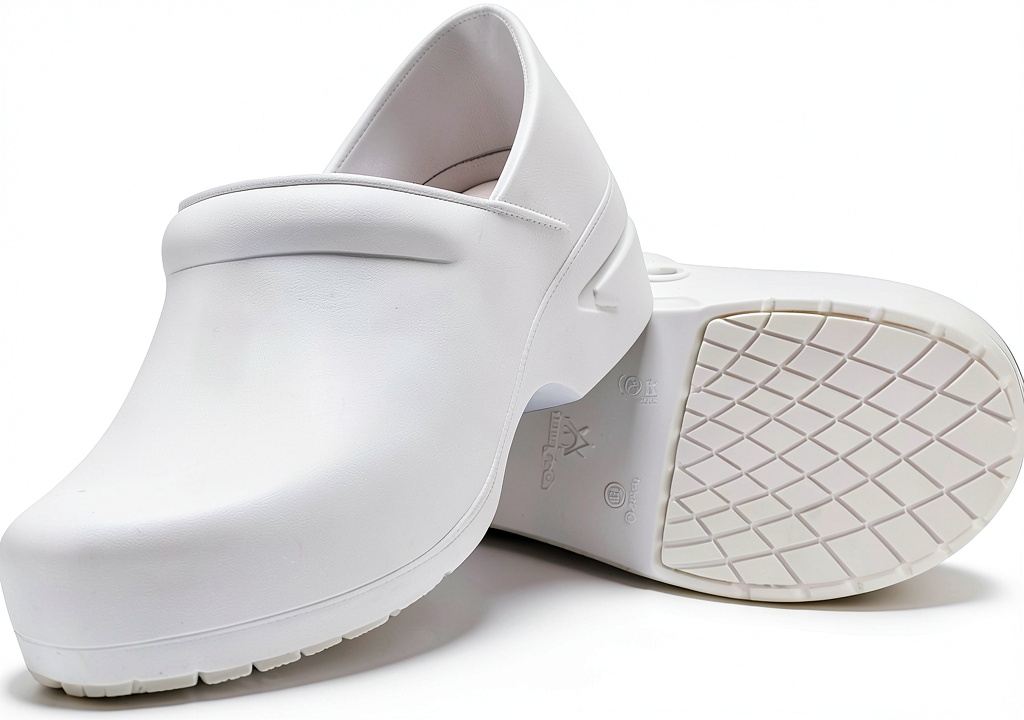
Opening the box, my first impression was that these feel like what they are: affordable work shoes. The materials aren’t premium, but they’re serviceable. The synthetic leather has a decent texture that doesn’t look cheap, though it’s noticeably thinner than what you’d find on $100+ clogs.
The ventilation holes are both a blessing and a curse. During a hectic Thursday shift where I logged over 15,000 steps, the airflow prevented the sweaty feet I often get with solid-top clogs. However, during a particularly messy trauma case where fluids splashed on my shoes, I quickly learned that “water-resistant” doesn’t mean fluid-proof. The holes allow liquids to enter if you’re not careful.
The slip-on design is convenient for quick changes, but the lack of a heel strap means they’re not as secure as clogs with back straps. I never felt like they would slip off during normal movement, but during quick pivots or when rushing to a code, I noticed more movement than I’d prefer.
Performance in Real Healthcare Environments
Slip resistance is where these shoes truly shine. I intentionally tested them on freshly mopped ER floors, in the cafeteria where spills are common, and during rainy entries/exits from the hospital. The multi-directional tread pattern provided consistent traction that rivaled shoes costing three times as much.
During one memorable night shift, we had a patient with uncontrollable vomiting. As I was helping clean up, I stepped directly into a puddle that would have sent me sliding in my previous shoes. The Guardian Angels held firm, and that alone might justify their cost for many healthcare workers.
The cushioning provides immediate comfort but has limitations. For the first month, the EVA footbed felt fantastic—soft yet supportive. But around the six-week mark, working 3-4 shifts per week, I noticed compression in the heel area. By hour ten of my shifts, I could feel more pressure on my heels than I did initially.
Ease of Use & Maintenance
Cleaning is straightforward—a quick wipe with disinfectant wipes removes most stains and spills. The smooth surfaces don’t trap debris, which is crucial in healthcare settings. However, the ventilation holes can collect small particles that require more attention to clean thoroughly.
The break-in period was minimal. Unlike some clogs that require weeks to feel comfortable, these were ready to go from the first shift. The trade-off is that they don’t mold to your feet over time like some premium memory foam options.
Durability & Long-Term Reliability
After six weeks of regular use (approximately 25 shifts), the shoes show expected wear but no significant deterioration. The outsoles have minimal visible wear patterns, which speaks to the quality of the rubber compound.
The durability question comes down to cushioning longevity rather than structural integrity. I suspect most nurses will need to replace these every 6-9 months with regular use, not because the shoes fall apart, but because the cushioning loses its effectiveness. For nurses working 3 shifts per week or less, they might last a full year.
The stitching around the ventilation holes remains intact with no signs of tearing, which was a concern given the potential weak points. The color has held up well despite regular cleaning with harsh hospital-grade disinfectants.
Pros & Cons
What I appreciated:
- Exceptional slip resistance that genuinely works in wet conditions
- Lightweight design reduces fatigue during long shifts
- True budget-friendly price makes them accessible to students and new grads
- Easy to clean surfaces save time during shift changes
- Good ventilation prevents overheating in warm environments
What gave me pause:
- Cushioning compression becomes noticeable after 4-6 weeks of heavy use
- Limited arch support may not suffice for nurses with plantar fasciitis or high arches
- Ventilation holes compromise fluid protection – not ideal for OR or high-fluid units
- No heel strap reduces security during quick movements
- Sizing runs slightly large – consider ordering half size down
Comparison & Alternatives
Cheaper Alternative: Crocs Classic Clog ($40-50)
At a similar price point, Crocs offer better arch support and more customizable fit with their backstrap. However, they lack the professional appearance many hospitals require and have less effective slip resistance on wet floors. Choose Crocs if you need better arch support and work in a casual environment. Stick with Guardian Angel if slip resistance and professional appearance matter more.
Premium Alternative: Dansko Professional Clog ($130-150)
Dansko clogs offer superior arch support, durable construction that lasts 2+ years, and excellent shock absorption. The price is significant, but the long-term value is better for full-time nurses. Upgrade to Danskos if you work full-time shifts and need maximum support. Stick with Guardian Angel if budget is primary concern or you’re testing clog-style shoes for the first time.
Buying Guide: Who Should Actually Buy These
Best For Beginners & Students
Nursing students and new graduates will appreciate the low investment while they’re figuring out their preferred shoe style. The Guardian Angels provide solid performance without the financial commitment of premium brands.
Best For Specific Professionals
Part-time nurses, clinic staff, or healthcare workers who primarily work in dry environments will get excellent value. The shoes perform well when you’re not subjecting them to 12-hour marathons daily.
Not Recommended For
Avoid these if: you have existing foot conditions requiring orthotic support, work primarily in surgical or high-fluid environments, or regularly work doubles back-to-back. The cushioning limitations become apparent during extreme use.
Frequently Asked Questions
How do they handle wide feet?
The standard width accommodates average to slightly wide feet well. For truly wide feet, consider sizing up half a size, but note they may feel loose without a heel strap.
Are they truly waterproof?
No—they’re water-resistant. The ventilation holes allow fluids to enter if submerged or splashed directly. They handle spills and occasional splashes but aren’t suitable for environments with constant fluid exposure.
How’s the sizing compared to other brands?
They run slightly large. I typically wear an 8.5 and found the 8 fit better. If between sizes, order down rather than up.
Can you add orthotics?
Yes, the footbed is removable, though space is limited. Thin orthotics work best—thick custom orthotics may make the fit too tight.
Are they worth $50?
For the slip resistance alone, yes—if that’s your primary concern. For overall long-term comfort and support, you may want to invest more if you work full-time hours.
Bottom line: The AnyWear Guardian Angel nursing clogs deliver remarkable value at their price point, particularly for slip resistance. They’re not lifetime shoes, but for 6-9 months of reliable service, they’re a smart choice for budget-conscious healthcare workers who prioritize safety over premium features.


 CREWORKS Ultrasonic Cleaner Solution for Carburetors and Engine Parts, 34 fl oz Ultrasonic Cleaning Solution Works with Ultrasonic Machines, Extra Concentrated Cleaning Fluid for Industrial Use
 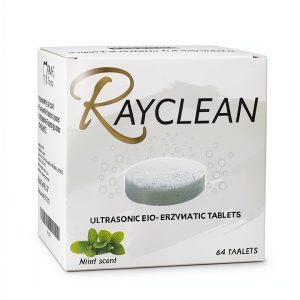 RayClean Ultrasonic Bio-Enzymatic Cleaning Tablets (Pack of 64)
 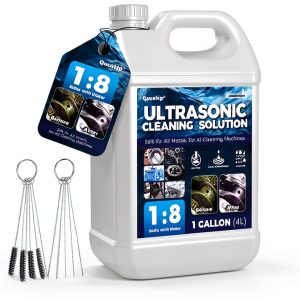 Ultrasonic Cleaner Solution Qucship 8X 128oz – 9 Gallon Cleaner