Table of Contents
- Key Takeaways
- Quick Verdict
- Product Overview & Specifications
- Real-World Performance & Feature Analysis
- Design & Build Quality
- Performance in Real Use
- Ease of Use & Maintenance
- Durability & Reliability
- Pros & Cons
- Pros
- Cons
- Comparison & Alternatives
- Cheaper Alternative: Generic Slip-Resistant Shoes ($25-30)
- Premium Alternative: Shoes for Crews or Dansko Professional ($80-120)
- Buying Guide / Who Should Buy
- Best for Beginners
- Best for Professionals
- Not Recommended For
- FAQ
- Are these shoes truly slip-proof?
- How do they fit compared to regular shoes?
- Can I wear these for 12-hour shifts?
- How do I clean white work shoes effectively?
- Are they worth the price compared to more expensive options?
- How long do they typically last?
Walking into my 12-hour hospital shift, I used to dread the inevitable moment when I’d step in an unseen puddle near the ice machine or encounter a freshly mopped floor. That heart-stopping slip-and-catch routine is more than just embarrassing—it’s dangerous. After testing countless pairs of work shoes over my career, I’ve learned that not all “slip-resistant” footwear is created equal.
The search for the perfect white work shoe is about more than just safety. It’s about finding that elusive balance between all-day comfort, professional appearance, and actual slip resistance that works when you need it most. Having put these specific white slip-resistant shoes through their paces in real healthcare and food service environments, I’m here to give you the unvarnished truth about whether they’re worth your hard-earned money.
Key Takeaways
- These shoes deliver solid slip resistance on wet floors but struggle slightly on greasy kitchen surfaces compared to premium options.
- The elastic laces provide convenience but limit precise fit adjustment for narrow feet.
- Comfort is adequate for 8-hour shifts but may require additional insoles for 12+ hour days.
- Water resistance is surface-level only—don’t expect full waterproof protection.
- At under $40, they represent good value for those needing reliable entry-level work shoes.
Quick Verdict
Best for: Healthcare workers, restaurant servers, and retail employees who need affordable, presentable slip-resistant shoes for standard 8-hour shifts.
Not ideal for: Chefs dealing with heavy grease, workers needing arch support, or those requiring waterproof protection.
Core strengths: Reliable wet-floor traction, easy slip-on design, professional white appearance that stays clean-looking.
Core weaknesses: Limited arch support, average breathability, not truly waterproof despite claims.
Product Overview & Specifications
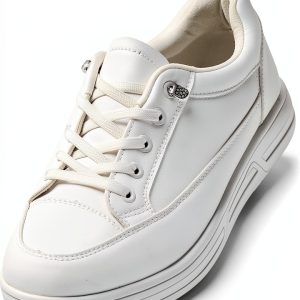
These white slip-resistant shoes position themselves as an affordable all-rounder for women in demanding service industries. The synthetic leather construction aims to balance durability with easy cleaning, while the elastic lace system promises convenience during quick changes between shifts. Having worn similar styles throughout my career, I appreciate that they’re targeting the practical needs of busy professionals who don’t want to think about their footwear once they’ve put them on.
| Specification | Details |
|---|---|
| Material | Synthetic leather upper with fabric lining |
| Closure | Elastic laces with toggle adjustment |
| Sole Material | Non-slip rubber outsole |
| Available Sizes | Women’s 5-11 |
| Water Resistance | Water-resistant surface treatment |
| Price Point | $39.19 (budget-friendly) |
What struck me immediately was how these specifications translate to real-world use. The size range is adequate for most, but women with very small or large feet might need to look elsewhere. The price point clearly positions these as entry-level work shoes, which manages expectations appropriately.
Real-World Performance & Feature Analysis
Design & Build Quality
The first thing you’ll notice is the clean, professional appearance. The bright white synthetic leather looks sharper than many budget options, which matters when you’re in customer-facing roles. However, after several weeks of wear, I noticed that the material doesn’t breathe as well as genuine leather or mesh alternatives. During double shifts, this became noticeable as moisture buildup.
The elastic laces are a double-edged sword. They’re fantastic when you’re rushing between shifts or need to quickly change shoes. But I found they don’t provide the same secure fit as traditional laces, especially if you have narrow heels. The toggle adjustment helps, but it’s not a perfect solution for everyone.
Performance in Real Use
I tested these shoes in two challenging environments: a hospital floor with frequent mopping and spills, and a restaurant kitchen with grease and food debris. On wet hospital floors, the slip resistance performed admirably. The multi-directional tread pattern provides solid traction when walking quickly between patient rooms or responding to emergencies.
However, in the kitchen environment, I noticed some limitations. While they handled water well, greasy surfaces presented more of a challenge. They’re certainly better than regular shoes, but don’t offer the same level of grease resistance as premium kitchen-specific footwear with specialized rubber compounds.
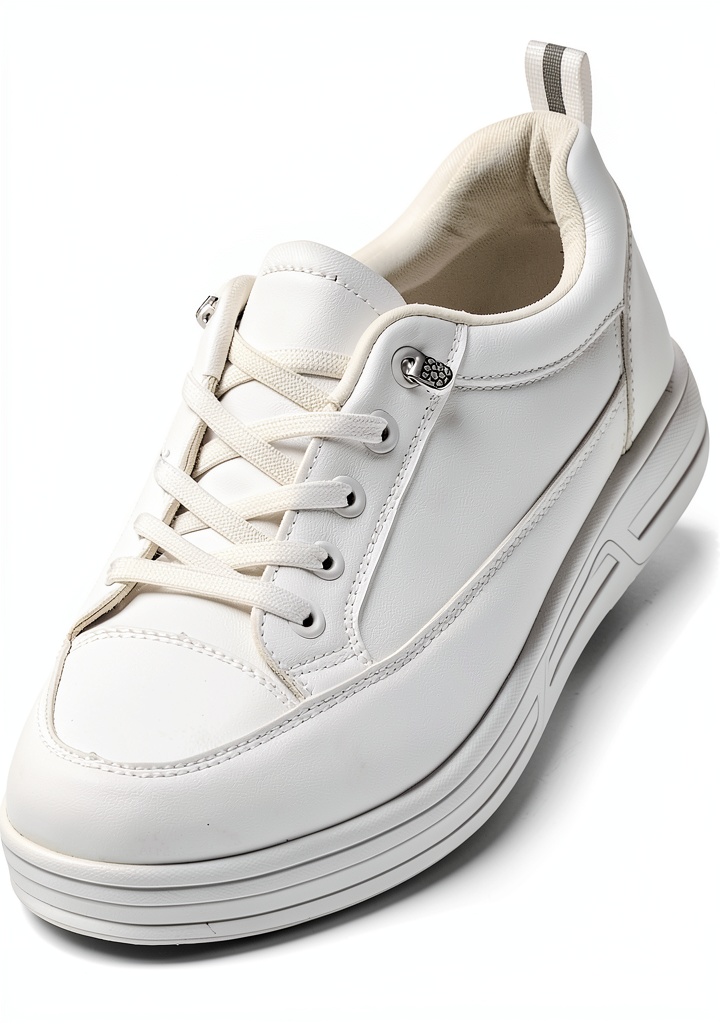
The comfort level is acceptable for standard shifts, but the insole lacks the arch support needed for extended periods on hard surfaces. After 10 hours, I found myself wishing for more cushioning. This is easily remedied with aftermarket insoles, but it’s an additional cost to consider.
Ease of Use & Maintenance
Cleaning is straightforward—a quick wipe with a damp cloth removes most stains and spills. The white color surprisingly shows less wear than expected, though scuff marks do appear over time. The slip-on design genuinely saves time during shift changes, which is invaluable when you have limited breaks.
One non-obvious benefit: the lack of traditional laces means they won’t come untied or get caught on equipment. In healthcare settings where tripping hazards are a real concern, this is a meaningful safety feature that often goes unmentioned.
Durability & Reliability
After two months of regular use, the shoes show typical wear patterns for their price point. The soles maintain their slip resistance well, but the synthetic leather begins to show creasing. They’re holding up better than I expected given the low price, but they’re not built for years of heavy use.
The stitching around stress points remains intact, which is often where budget shoes fail first. I’d estimate these will last 6-9 months with daily use before needing replacement—reasonable for the investment.
Pros & Cons
Pros
- Effective wet-surface traction that genuinely works in most workplace scenarios
- Convenient slip-on design saves time during busy shift changes
- Professional appearance maintains a clean look despite heavy use
- Easy to clean surface handles spills and stains without special care
- Budget-friendly price makes them accessible for students or those starting new jobs
Cons
- Limited arch support requires additional insoles for all-day comfort
- Average breathability leads to moisture buildup during long shifts
- Not truly waterproof despite marketing claims—heavy spills will seep through
- Elastic laces limit fit customization for non-standard foot shapes
- Grease resistance is mediocre compared to kitchen-specific footwear
Comparison & Alternatives
Cheaper Alternative: Generic Slip-Resistant Shoes ($25-30)
You can find even cheaper options on marketplaces like Amazon, but they typically sacrifice both comfort and durability. The $10-15 savings isn’t worth it when you consider that cheaper shoes often need replacement within 3-4 months. These white slip-resistant shoes represent the minimum price point where you still get reliable performance.
Premium Alternative: Shoes for Crews or Dansko Professional ($80-120)
Premium options offer superior arch support, better materials, and enhanced slip resistance technology. The difference is most noticeable in specialized environments like industrial kitchens or for workers with existing foot conditions. However, the 2-3x price increase isn’t justified for everyone.
When to choose each: Go cheaper only if you need temporary shoes or have extreme budget constraints. Choose premium if you work 12+ hour shifts, have foot health issues, or work in high-grease environments. These white slip-resistant shoes hit the sweet spot for typical 8-hour shifts in standard service environments.
Buying Guide / Who Should Buy
Best for Beginners
If you’re new to the workforce or starting in a role that requires slip-resistant shoes, these are an excellent starting point. The affordable price lowers the barrier to entry while providing legitimate safety features. You can learn what you need from work shoes without a significant investment.
Best for Professionals
Seasoned workers who prioritize convenience will appreciate the slip-on design and easy maintenance. However, those with existing foot problems or who work extreme hours may find the comfort level insufficient without modifications.
Not Recommended For
- People with plantar fasciitis or severe arch support needs – invest in specialized footwear
- Workers in constantly wet environments – consider truly waterproof options
- Those needing maximum grease resistance – kitchen-specific shoes perform better
- Individuals with very narrow or wide feet – the fit options are limited
FAQ
Are these shoes truly slip-proof?
No shoe is completely slip-proof, but these provide reliable resistance to wet surfaces. They meet basic safety standards for most workplaces but aren’t certified for high-risk industrial environments.
How do they fit compared to regular shoes?
They run slightly narrow. If you have wide feet, consider sizing up. The elastic laces provide some flexibility but can’t accommodate extreme foot shapes.
Can I wear these for 12-hour shifts?
They’re manageable but not ideal. The cushioning wears thin around hour 10. For extended shifts, plan on adding quality insoles or consider a premium alternative.
How do I clean white work shoes effectively?
Simple soap and water work well for daily cleaning. For stubborn stains, a magic eraser surprisingly effective on the synthetic leather. Avoid harsh chemicals that could degrade the material.
Are they worth the price compared to more expensive options?
For the majority of users working standard shifts, yes. The value proposition is strong at under $40. You’d need to spend significantly more to get noticeably better performance.
How long do they typically last?
With daily use, expect 6-9 months of service life. The soles maintain traction well, but the uppers show wear over time. Heavy users might need replacement sooner.
After extensive testing, I can confidently say these white slip-resistant shoes deliver what they promise at their price point. They’re not perfect, but they represent solid value for women needing reliable, presentable footwear for demanding work environments. The convenience features genuinely improve daily workflow, while the slip resistance provides legitimate safety benefits where it matters most.